
Get In Touch

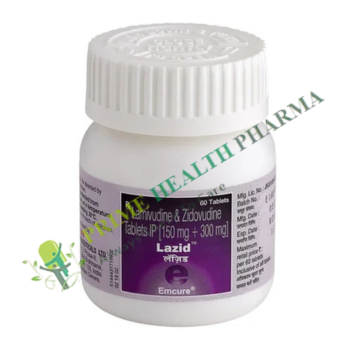

LAMIVUDINE,ZIDOVUDINE
EMCURE PHARMACEUTICALS LTD
HIV-1 infection
60 TABLET(s) IN A BOTTLE
Tablet
Lazid Tablet is an antiretroviral medication used in the treatment and management of HIV-1 infection. It contains the active ingredient Zidovudine, which belongs to a class of medicines known as nucleoside reverse transcriptase inhibitors (NRTIs). Zidovudine was one of the first approved antiretroviral drugs for HIV treatment and plays an important role in combination antiretroviral therapy (ART). By blocking the virus’s ability to replicate, Lazid helps reduce the viral load in the body, strengthen the immune system, and slow the progression of HIV infection. In some cases, it may also be prescribed to reduce the risk of HIV transmission from mother to baby during pregnancy.
Like many HIV medications, Lazid requires careful medical supervision during treatment. The medicine may affect blood cell production and, in some cases, lead to conditions such as anemia, low platelet count, or reduced white blood cells, which is why regular blood tests are recommended. Rarely, it may also cause lactic acidosis or fatty liver (hepatic steatosis), especially in patients with existing liver conditions or other risk factors. During the early stages of HIV therapy, some patients may experience immune reconstitution syndrome, where the recovering immune system reacts to hidden infections. Patients should always inform their healthcare provider about allergies, existing medical conditions, and all other medicines or supplements they are taking before starting Lazid Tablet.
Lazid Tablet is used in the treatment and management of HIV-1 infection and helps control the virus in the body. It works by preventing the HIV virus from multiplying, which helps reduce the viral load and support the immune system. When used as part of combination antiretroviral therapy (ART), Lazid helps slow the progression of HIV, lower the risk of opportunistic infections, and improve the overall quality of life for people living with HIV. In some cases, it may also be used to reduce the risk of HIV transmission from an infected mother to her baby during pregnancy.
Like other antiretroviral medicines, Lazid Tablet Tablet may cause some side effects. These can be mild or serious and may vary from person to person.
If you experience any severe or persistent symptoms, seek medical advice immediately.
Do not use Lazid Tablet if you are allergic to Zidovudine or any of its ingredients.
This medicine may cause bone marrow suppression, which can lead to anemia, neutropenia, or low platelet count; regular blood tests are recommended during treatment
Use with caution in patients with liver disease, obesity, or a history of pancreatitis.
In rare cases, it may cause lactic acidosis and fatty liver (hepatic steatosis), which require immediate medical attention.
Immune reconstitution syndrome may occur when starting HIV treatment.
Inform your doctor about all medications, herbal products, or supplements you are taking to avoid drug interactions.
Store at room temperature (below 30°C).
Keep in a cool, dry place away from sunlight and moisture.
Store in the original packaging with the lid tightly closed.
Lazid Tablet is used for the treatment of HIV-1 infection as part of combination antiretroviral therapy (ART). It helps control the virus and improves immune system function.
Lazid contains Zidovudine, a nucleoside reverse transcriptase inhibitor (NRTI) that blocks the enzyme HIV needs to multiply, thereby reducing viral replication in the body.
No, Lazid Tablet does not cure HIV, but it helps control the virus, slow disease progression, and reduce the risk of HIV-related complications.
Yes, in certain cases it may be prescribed during pregnancy to help reduce the risk of HIV transmission from mother to child, under medical supervision.
Take the missed dose as soon as you remember. If it is close to the next dose, skip the missed dose and continue your normal schedule. Do not take a double dose.
Yes, doctors may monitor blood counts, liver function, and overall health regularly to detect any side effects early.
Serious side effects may include anemia, low white blood cell count, lactic acidosis, or liver problems, and medical attention should be sought if symptoms occur.
Yes, Lazid may interact with certain prescription drugs, over-the-counter medicines, and herbal supplements, so always inform your doctor about all medicines you are taking.
It may be used during pregnancy only under medical guidance, but breastfeeding is generally not recommended for women with HIV due to the risk of virus transmission.
HIV treatment is usually long-term or lifelong, and Duovir should be taken exactly as prescribed to maintain viral control and prevent drug resistance.
Lazid Tablet is an antiretroviral medication used in the treatment and management of HIV-1 infection. It contains the active ingredient Zidovudine, which belongs to a class of medicines known as nucleoside reverse transcriptase inhibitors (NRTIs). Zidovudine was one of the first approved antiretroviral drugs for HIV treatment and plays an important role in combination antiretroviral therapy (ART). By blocking the virus’s ability to replicate, Lazid helps reduce the viral load in the body, strengthen the immune system, and slow the progression of HIV infection. In some cases, it may also be prescribed to reduce the risk of HIV transmission from mother to baby during pregnancy.
Like many HIV medications, Lazid requires careful medical supervision during treatment. The medicine may affect blood cell production and, in some cases, lead to conditions such as anemia, low platelet count, or reduced white blood cells, which is why regular blood tests are recommended. Rarely, it may also cause lactic acidosis or fatty liver (hepatic steatosis), especially in patients with existing liver conditions or other risk factors. During the early stages of HIV therapy, some patients may experience immune reconstitution syndrome, where the recovering immune system reacts to hidden infections. Patients should always inform their healthcare provider about allergies, existing medical conditions, and all other medicines or supplements they are taking before starting Lazid Tablet.
Lazid Tablet is used in the treatment and management of HIV-1 infection and helps control the virus in the body. It works by preventing the HIV virus from multiplying, which helps reduce the viral load and support the immune system. When used as part of combination antiretroviral therapy (ART), Lazid helps slow the progression of HIV, lower the risk of opportunistic infections, and improve the overall quality of life for people living with HIV. In some cases, it may also be used to reduce the risk of HIV transmission from an infected mother to her baby during pregnancy.
Like other antiretroviral medicines, Lazid Tablet Tablet may cause some side effects. These can be mild or serious and may vary from person to person.
If you experience any severe or persistent symptoms, seek medical advice immediately.
Do not use Lazid Tablet if you are allergic to Zidovudine or any of its ingredients.
This medicine may cause bone marrow suppression, which can lead to anemia, neutropenia, or low platelet count; regular blood tests are recommended during treatment
Use with caution in patients with liver disease, obesity, or a history of pancreatitis.
In rare cases, it may cause lactic acidosis and fatty liver (hepatic steatosis), which require immediate medical attention.
Immune reconstitution syndrome may occur when starting HIV treatment.
Inform your doctor about all medications, herbal products, or supplements you are taking to avoid drug interactions.
Store at room temperature (below 30°C).
Keep in a cool, dry place away from sunlight and moisture.
Store in the original packaging with the lid tightly closed.
Lazid Tablet is used for the treatment of HIV-1 infection as part of combination antiretroviral therapy (ART). It helps control the virus and improves immune system function.
Lazid contains Zidovudine, a nucleoside reverse transcriptase inhibitor (NRTI) that blocks the enzyme HIV needs to multiply, thereby reducing viral replication in the body.
No, Lazid Tablet does not cure HIV, but it helps control the virus, slow disease progression, and reduce the risk of HIV-related complications.
Yes, in certain cases it may be prescribed during pregnancy to help reduce the risk of HIV transmission from mother to child, under medical supervision.
Take the missed dose as soon as you remember. If it is close to the next dose, skip the missed dose and continue your normal schedule. Do not take a double dose.
Yes, doctors may monitor blood counts, liver function, and overall health regularly to detect any side effects early.
Serious side effects may include anemia, low white blood cell count, lactic acidosis, or liver problems, and medical attention should be sought if symptoms occur.
Yes, Lazid may interact with certain prescription drugs, over-the-counter medicines, and herbal supplements, so always inform your doctor about all medicines you are taking.
It may be used during pregnancy only under medical guidance, but breastfeeding is generally not recommended for women with HIV due to the risk of virus transmission.
HIV treatment is usually long-term or lifelong, and Duovir should be taken exactly as prescribed to maintain viral control and prevent drug resistance.

Sourced from Manufacturers

Air Express Delivery

Trusted Medicines

Get Up to 85% Off